Hydroponic gardening is revolutionizing the way we grow food—right from our homes, greenhouses, or even apartment balconies. By eliminating soil and using nutrient-rich water instead, hydroponic systems allow you to grow fresh herbs, leafy greens, fruits, and vegetables efficiently and sustainably.
Whether you're planning to set up a simple deep water culture (DWC) system or looking to explore more advanced methods like aeroponics or nutrient film technique (NFT), the right tools and materials are essential.
In this friendly, step-by-step guide, we'll explore the key equipment you’ll need for different hydroponic systems, and help you confidently choose what’s best for your space, goals, and budget.
Common Hydroponic Systems & Their Equipment Needs
There are several types of hydroponic systems, and each one has slightly different equipment requirements. Let’s cover the basics of the most popular ones:
1. Deep Water Culture (DWC)
In a DWC system, plant roots are suspended in nutrient-rich water. An air pump oxygenates the solution.
Essential Equipment:
-Reservoir (5–20 gallon food-grade container)
-Net pots (hold plants above the water)
-Air pump and air stones (oxygenate water)
-Grow lights (for indoor setups)
-Growing media (e.g., clay pebbles or Rockwool)
-pH and EC meters
-Nutrient solution (balanced for hydroponics)
Step-by-Step Setup:
1. Drill holes in a reservoir lid for net pots.
2. Place seedlings in net pots with growing media.
3. Fill the reservoir with water and nutrients.
4. Add an air pump with an airstone.
5. Monitor pH and EC weekly.
2. Nutrient Film Technique (NFT)
NFT uses a shallow stream of nutrient solution flowing through sloped channels, passing plant roots.
Essential Equipment:
-NFT channels (PVC pipes or prefabricated trays)
-Submersible water pump
-Reservoir
-Return plumbing (to bring water back to reservoir)
-Net pots or cups
-Grow lights
-Growing media (lightweight, minimal)
-pH and EC meters
-Nutrient solution
Step-by-Step Setup:
1. Set up sloped channels leading to a drain.
2. Drill holes for net pots.
3. Connect a water pump to feed nutrients to the top of each channel.
4. Use gravity to drain solution back to reservoir.
5. Monitor water levels, pH, and nutrient strength.
3. Ebb and Flow (Flood and Drain)
This system floods the root zone with nutrients periodically and then drains it back.
Essential Equipment:
-Flood tray (to hold plants and media)
-Reservoir tank
-Water pump with timer
-Overflow drain system
-Grow lights
-Growing media (Hydroton, coco coir, or perlite)
-pH and EC meters
-Nutrient solution
Step-by-Step Setup:
1. Set flood tray above reservoir.
2. Use a timer to control pump cycles (typically 15–30 minutes several times/day).
3. Fill with media and plant seedlings.
4. Ensure proper drainage back into reservoir.
5. Regularly top off with nutrients and water.
4. Wick System
The simplest passive hydroponic system, where wicks draw nutrients up from the reservoir to the plant roots.
Essential Equipment:
-Reservoir
-Grow tray
-Wicking material (cotton or nylon rope)
-Grow lights (if indoors)
-Growing media (coco coir, vermiculite, or perlite)
-Nutrient solution
Step-by-Step Setup:
1. Place wick through grow tray into the reservoir.
2. Fill tray with media and plants.
3. Fill reservoir with nutrient solution.
4. Let the wick passively transfer moisture and nutrients.
5. Aeroponics
In aeroponic systems, plant roots hang in the air and are misted with a nutrient solution.
Essential Equipment:
-Aeroponic chamber or tower
-High-pressure misting system or fogger
-Reservoir
-Timer or microcontroller
-Grow lights
-pH and EC meters
-Nutrient solution
Step-by-Step Setup:
1. Suspend plant roots in a closed chamber.
2. Use a timer to mist roots every few minutes.
3. Maintain cleanliness to avoid clogging.
4. Monitor root health, pH, and EC closely.
Detailed Look at Key Tools and Supplies for All Systems
Regardless of which system you choose, several tools and materials are foundational across all hydroponic setups.
--
1. Grow Lights
Indoor growers must replicate sunlight with high-quality grow lights.
Types of Grow Lights:
-LEDs: Energy-efficient, long-lasting, full spectrum
-T5 Fluorescents: Cool, inexpensive, good for leafy greens
-HID (HPS/MH): High output, more suited for large grows
Tips:
-Use timers for consistency (12–16 hours/day)
-Adjust distance as plants grow
--
2. Pumps
Water Pumps:
-Required in systems like NFT, ebb and flow, and aeroponics
-Submersible, with adjustable flow rates
Air Pumps:
-Used in DWC and sometimes ebb and flow
-Provide oxygen to roots
Choose a quiet, energy-efficient model sized for your setup.
--
3. Reservoirs
Your nutrient reservoir holds the lifeblood of your hydroponic system.
Tips for Choosing:
-Use food-grade plastic
-Opaque to prevent algae
-Size depends on plant count and system type
Don’t forget a secure lid to keep out debris and light.
--
4. Growing Media
Supports plants and holds moisture and oxygen. Choose based on your system:
-Clay Pebbles (LECA): Great for DWC, ebb and flow
-Rockwool Cubes: Perfect for germination and NFT
-Coco Coir and Perlite: Used in wick systems or mixed in ebb and flow
Always rinse media before use.
--
5. Nutrient Solution
Hydroponic plants need a balanced mix of macro and micronutrients.
Essential Nutrients Include:
-Nitrogen (N)
-Phosphorus (P)
-Potassium (K)
-Calcium, Magnesium, Iron, Zinc, Boron, and more
Tips:
-Use pre-made hydroponic nutrients or DIY mixes
-Maintain pH between 5.5–6.5
-Use pH up/down solutions as needed
--
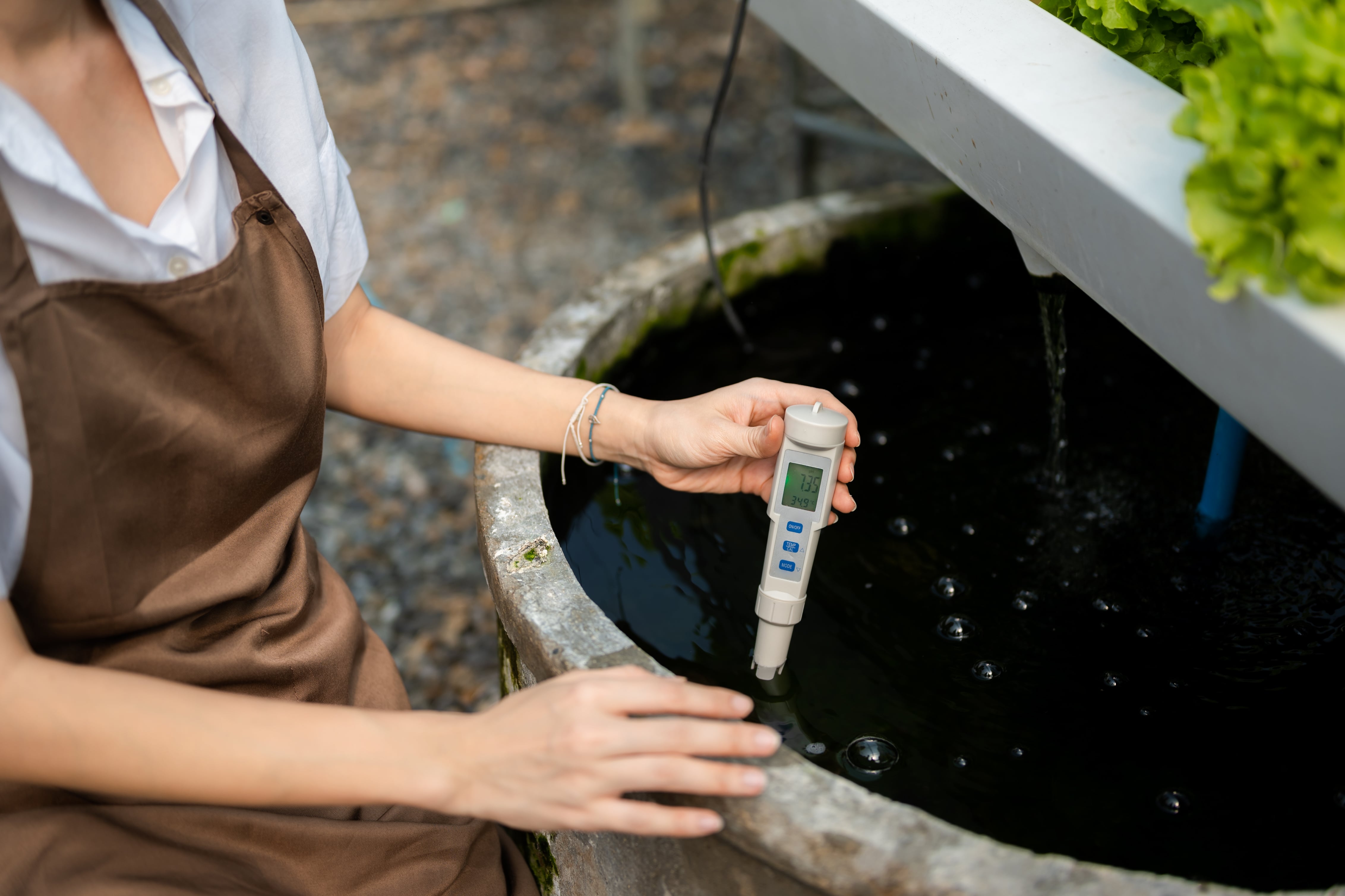
6. pH and EC Meters
These help you maintain a healthy nutrient environment.
-pH Meter: Measures acidity of your nutrient solution
-EC Meter: Measures strength (electrical conductivity) of nutrients
Calibrate regularly and keep probes clean.
Getting Started: General Setup Steps for Any System
1. Choose your hydroponic system type based on space, budget, and plant choice.
2. Gather equipment specific to your system.
3. Set up your structure—connect pumps, place reservoirs, mount lights.
4. Prepare your nutrient solution and test pH/EC.
5. Plant your seedlings into appropriate growing media.
6. Turn on your system and monitor performance daily.
7. Maintain regularly—top off nutrients, check pH/EC, and clean parts.
Final Thoughts
Setting up a hydroponic system might seem overwhelming at first, but with the right tools and clear guidance, it becomes an enjoyable and rewarding process. Whether you're growing basil in a wick system or lettuce in an NFT setup, each method offers unique benefits.
With consistent care, the right lighting, balanced nutrients, and a bit of experimentation, you'll be harvesting your own fresh produce in no time.
Happy growing!