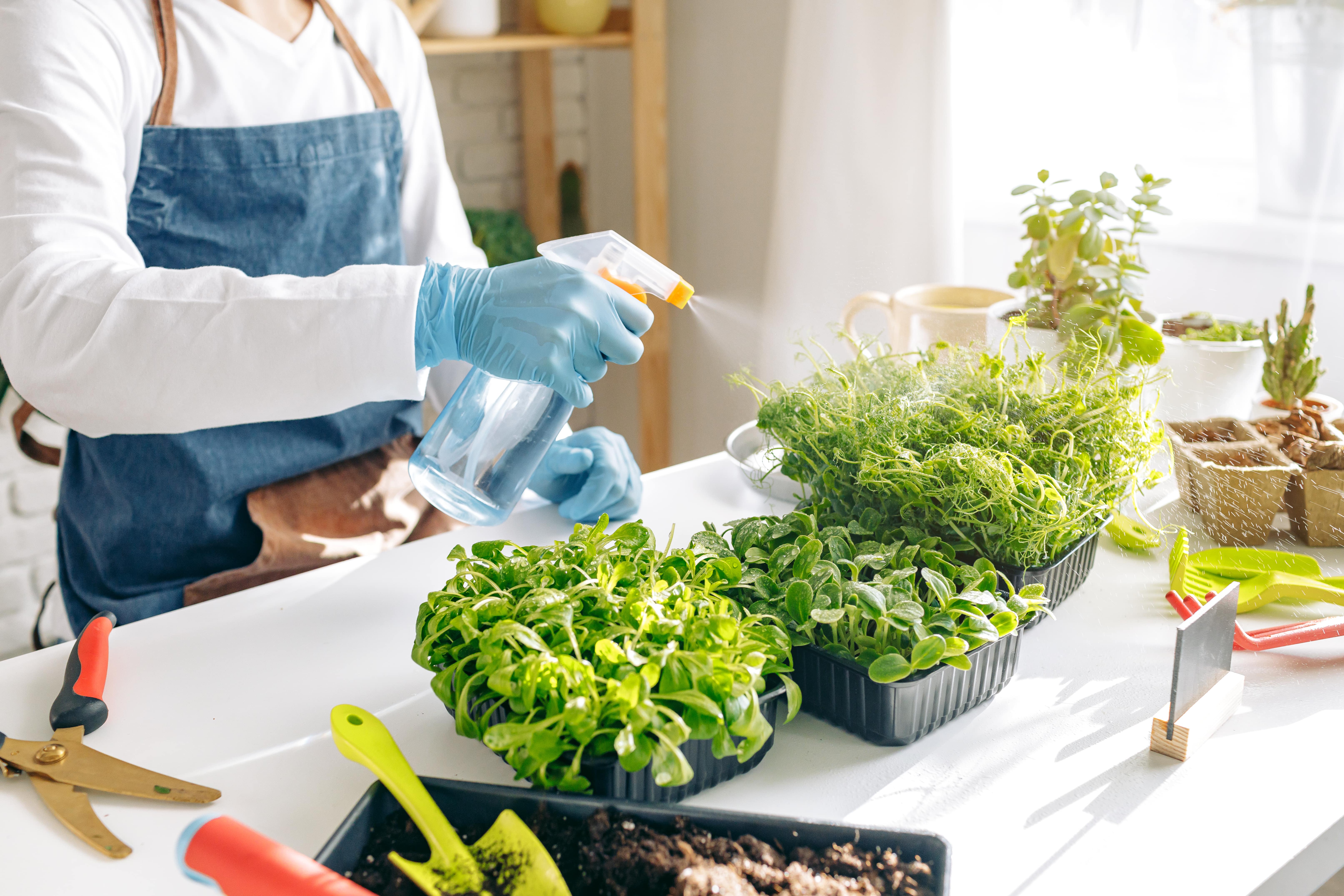
Growing your own vegetables at home is not only a rewarding hobby but also a great way to enjoy fresh, healthy produce right at your fingertips. Whether you have a spacious garden, a balcony, or just a sunny windowsill, anyone can start growing vegetables with simple steps and basic care.
In this guide, we’ll walk you through the easiest methods to grow vegetables at home, perfect for beginners who want quick success without complicated setups.
Why Start Growing Vegetables at Home?
Home gardening is more than just planting seeds—it’s about improving your lifestyle.
-Fresh and healthy eating: Homegrown vegetables are free from harmful pesticides and additives.
-Cost savings: Growing your own food helps reduce grocery bills.
-Stress relief: Gardening has therapeutic benefits, helping reduce stress and improve mood.
Basic Things to Know Before You Start
Before planting, it’s important to understand the essentials your plants need:
-Light: Vegetables generally need 8-12 hours of sunlight daily.
-Water: Keep the soil moist but avoid overwatering to prevent root rot.
-Time: A few minutes of daily care can lead to great results.
-Space: Even a small balcony or kitchen counter can work.
Best Vegetables for Beginners
Start with easy-to-grow, fast-growing vegetables that require minimal care:
-Lettuce: Grows quickly and thrives in cooler conditions.
-Arugula and garden cress: Fast germination and continuous harvesting.
-Onions and garlic: Simply plant bulbs or cloves in pots.
-Cherry tomatoes: Compact and productive in containers.
-Peppers: Small varieties suit balcony gardens well.
Growing Vegetables in Pots: Big Solutions for Small Spaces
Container gardening is ideal for city dwellers and those with limited space.
-Choosing pots: Match pot size to the vegetable’s root depth (deeper pots for tomatoes, shallower for lettuce).
-Drainage: Ensure pots have holes for excess water to escape.
-Soil: Use well-draining mixes with components like peat moss, cocopeat, and perlite.
-Placement: Position pots where they receive sufficient sunlight and protection from strong winds.
Explore Soilless Methods: Hydroponics at Home
If you want to skip soil altogether, hydroponics offers an innovative alternative:
-Wick system: The simplest hydroponic setup, where nutrients travel via a wick to plant roots.
-Deep Water Culture (DWC): Plant roots sit directly in oxygenated nutrient solutions.
-Advantages: Faster growth, less mess, and less space required.
-DIY setups: Use plastic containers, air pumps, and grow lights to build your own system.
Proper Light and Watering for Healthy Plants
Getting the light and watering right is key to vibrant, thriving vegetables.
-Light requirements: Most veggies need 6-8 hours of sunlight or equivalent grow light daily.
-Watering schedule: Water when the topsoil feels dry; avoid waterlogging.
-Best time to water: Morning watering helps reduce fungal diseases.
Support Your Plants with Natural Fertilizers and Nutrients
Supplement your soil with natural, nutrient-rich fertilizers to boost growth.
-Eggshells: Rich in calcium; crush and mix into soil.
-Banana peels: High in potassium; can be composted or brewed into a tea.
-Compost: Recycle kitchen scraps into nutrient-dense organic matter.
-Organic liquid fertilizers: Use store-bought or homemade options for an extra nutrient boost.
Easy and Natural Pest Control Methods
Preventing pests naturally keeps your vegetables safe without chemicals.
-Vinegar spray: Effective against aphids and small insects.
-Garlic and soapy water: Acts as a natural insect repellent.
-Manual removal: Hand-pick pests on smaller plants.
-Crop rotation: Helps avoid pest buildup in the soil.
Maximize Yield with Simple Daily and Weekly Routines
Maintaining a small, consistent care routine is enough to keep plants healthy.
-Daily: Check soil moisture, remove dead or yellow leaves.
-Weekly: Apply nutrient solution or fertilizer, clean pots if needed.
-Monthly: Repot if necessary and aerate soil.
When and How to Harvest Your Vegetables
Knowing the right time and way to harvest ensures the best flavor and plant health.
-Harvest time: Leafy greens can be harvested within 3-4 weeks; fruiting plants like tomatoes take 1-2 months.
-Harvest method: Use scissors or gently twist fruits off the plant to avoid damage.
-Regrowth: Some plants, like lettuce, regrow after harvesting outer leaves.
Final Thoughts: Start Small, Grow Big
Growing vegetables at home is easier than you think and comes with many benefits. By choosing the right plants and paying attention to light, water, and nutrients, you can create your own mini garden anywhere—from a kitchen windowsill to a balcony.
Whether you start with simple pots or dive into hydroponics, the joy of harvesting your own fresh veggies is priceless. So grab some seeds and get growing today!